


Advancing Google’s AI vision by investigating how Gemini impacts productivity
Blink partnered with Google to find out how neurodivergent (ND) knowledge workers use Gemini and other AI tools
Studies show 15% to 20% of people are neurodivergent (an umbrella term for neurological processing variations like ADHD, autism, and dyslexia). We know ND workers are using AI tools—but we wanted to understand how much these tools actually impact their daily work lives.
Participant Recruiting
In-Depth-Interviews
Mental Models
Heuristic Evaluation
The challenge
Are AI tools like Gemini in Workspace helping neurodivergent workers?
Research that centers neurodivergent users and workplace technology is scarce. Blink needed to determine which metrics and tools really matter to ND workers, while also uncovering opportunities to improve future releases of Gemini.
Our approach
Assembling firsthand accounts of the neurodiverse user experience
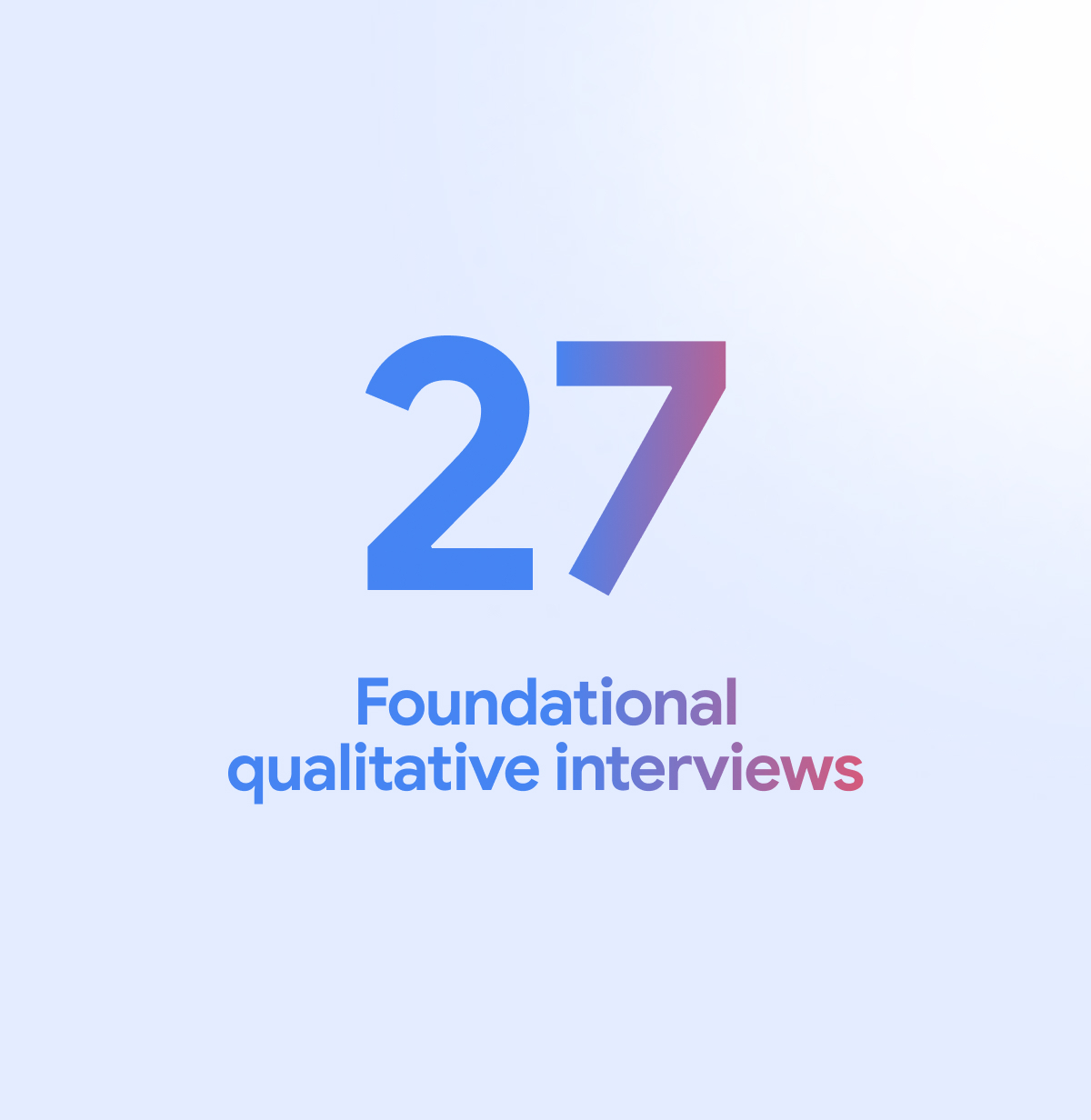
Blink conducted 27 foundational one-on-one qualitative interviews with Google staffers and external recruits, all of whom who identify as neurodivergent.
Using their feedback, we performed a heuristic evaluation to assess and rank ten AI-enabled tools made by outside vendors.

Modern productivity and the role of executive function
In the traditional definition of productivity—how much energy a worker expends versus how much output they create—time saved is the ultimate metric.
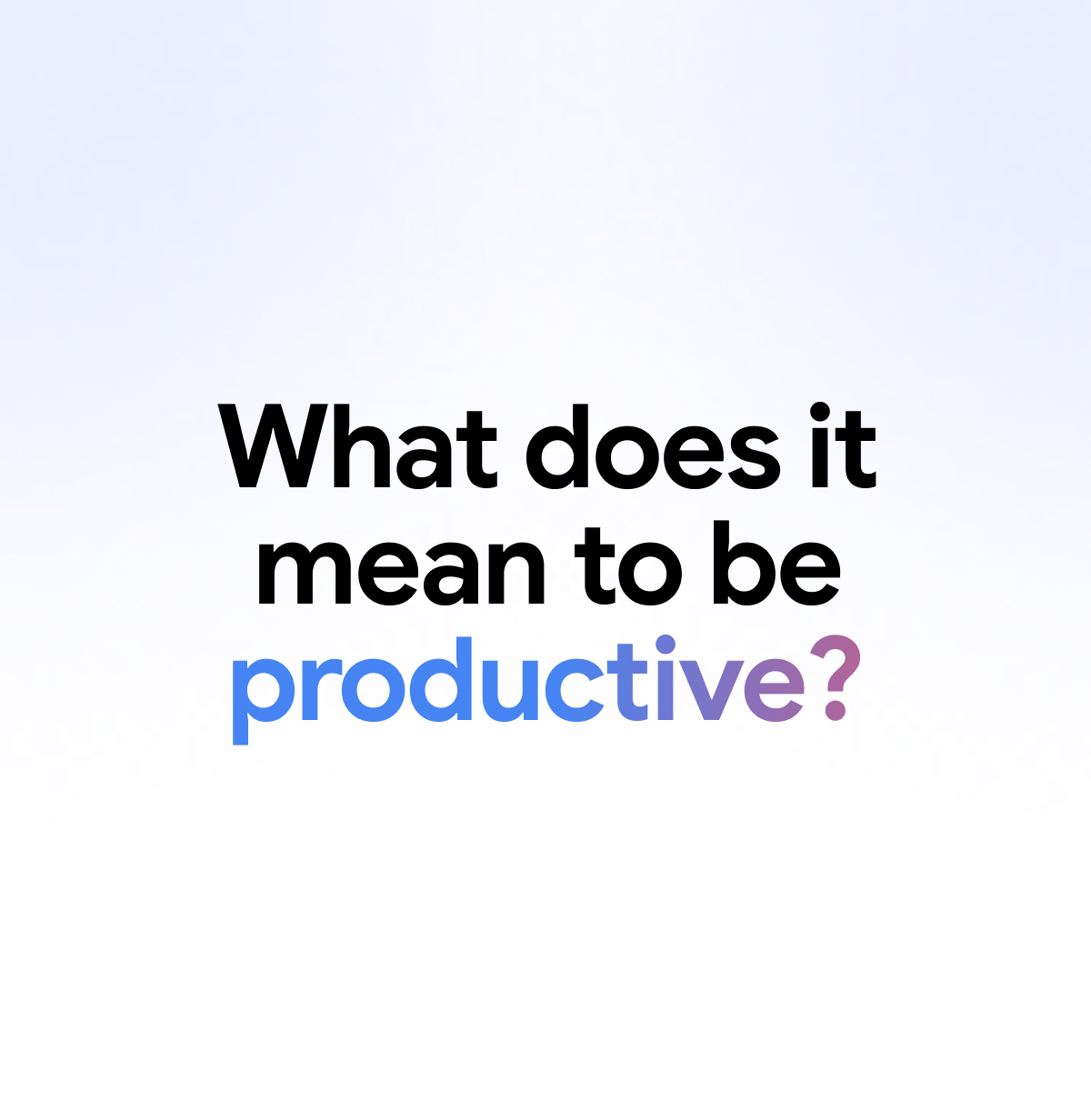
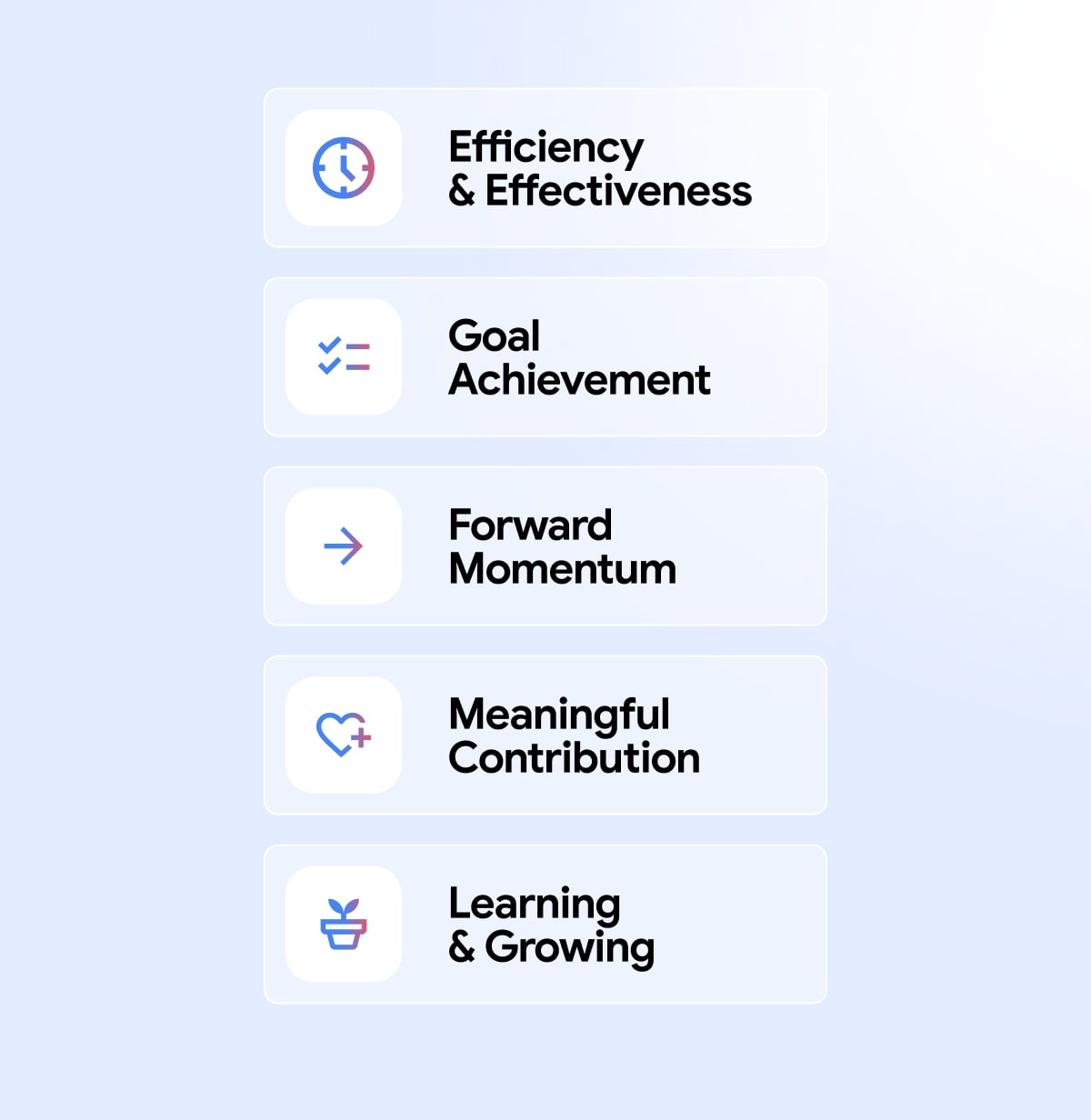
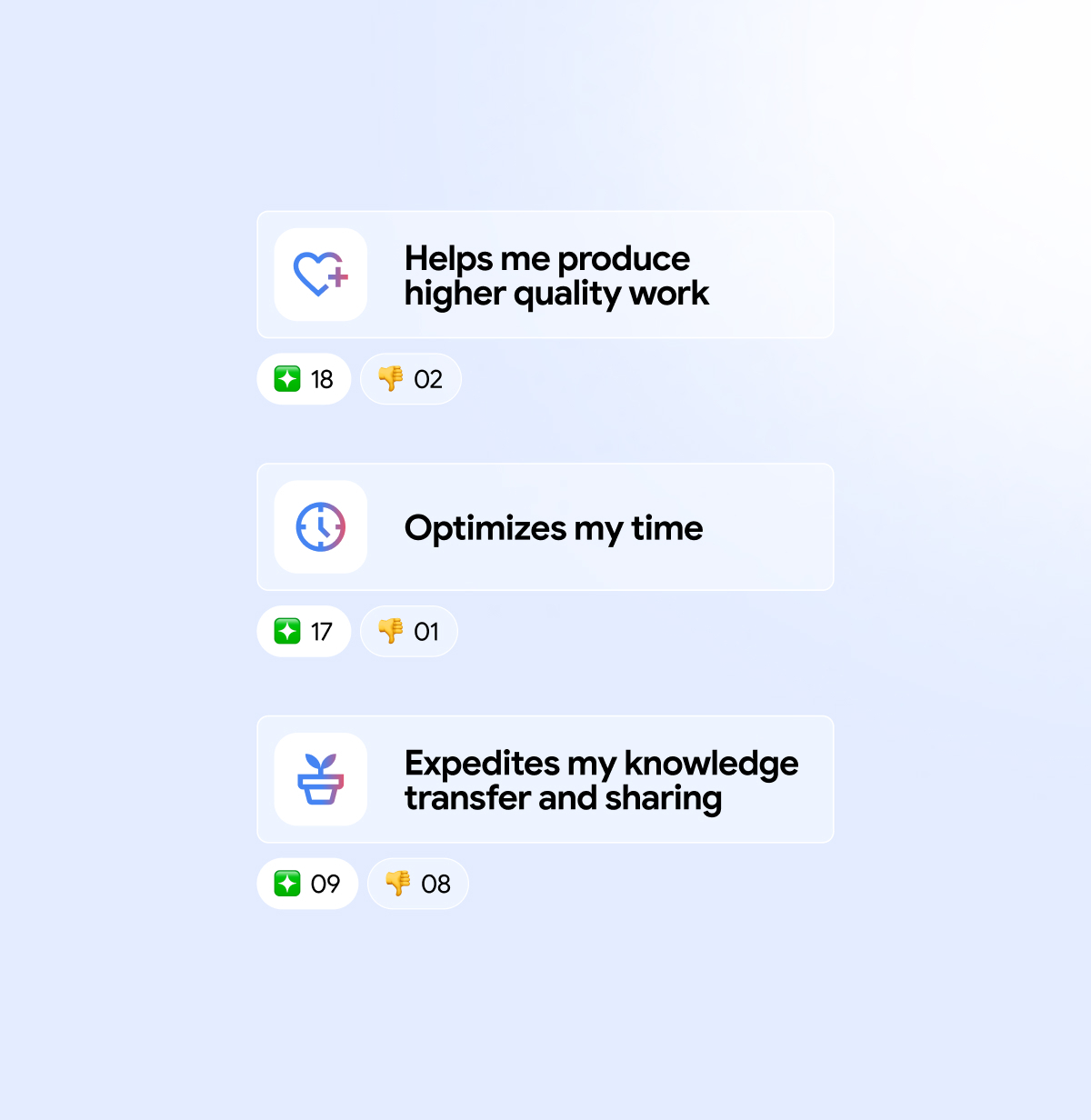
But our findings showed that many ND knowledge workers define productivity differently. Saving time still matters, but task effectiveness, quality of work, achieving goals, making meaningful contributions, and sustaining momentum also informed participants’ sense of productivity.
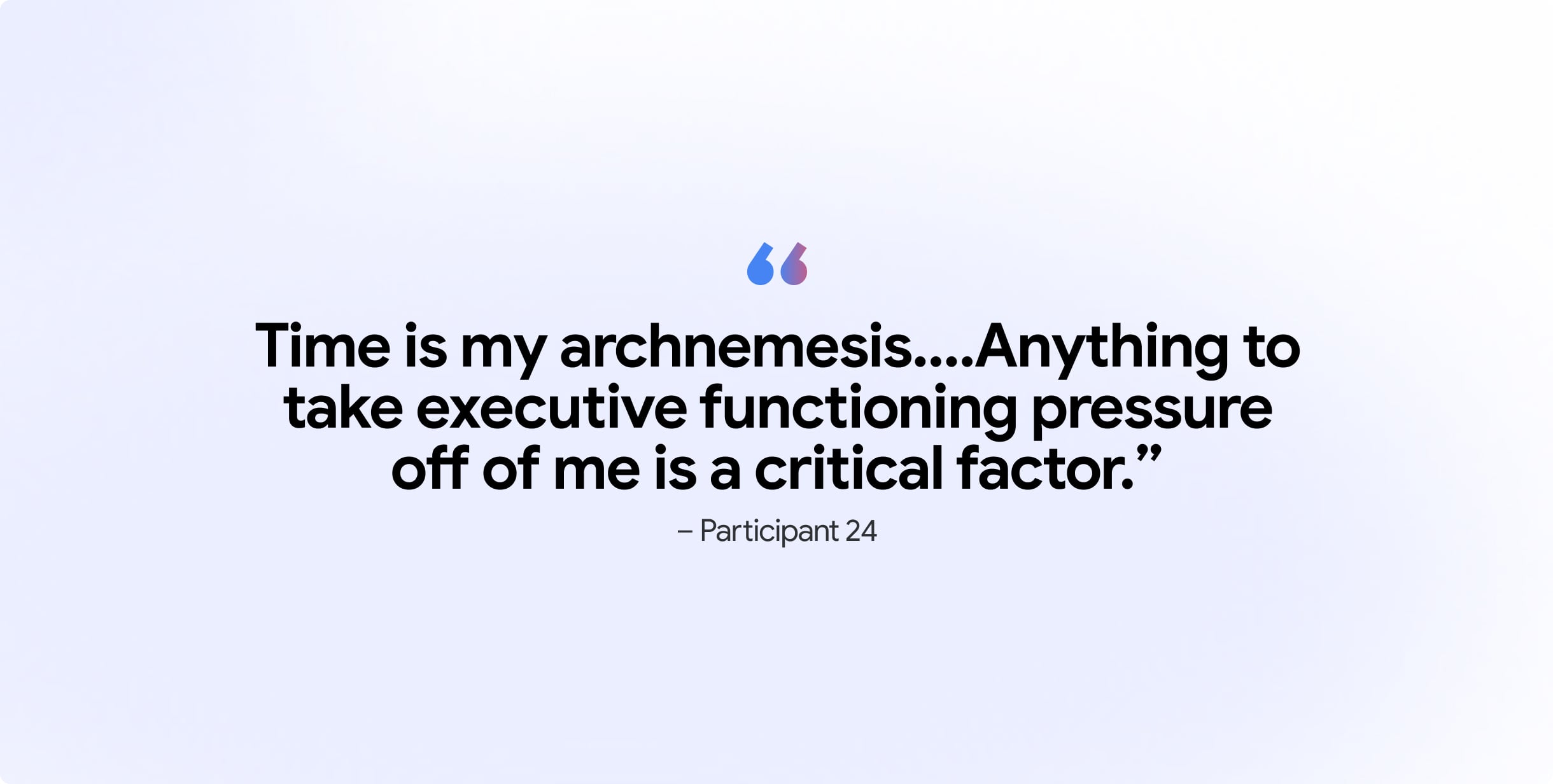
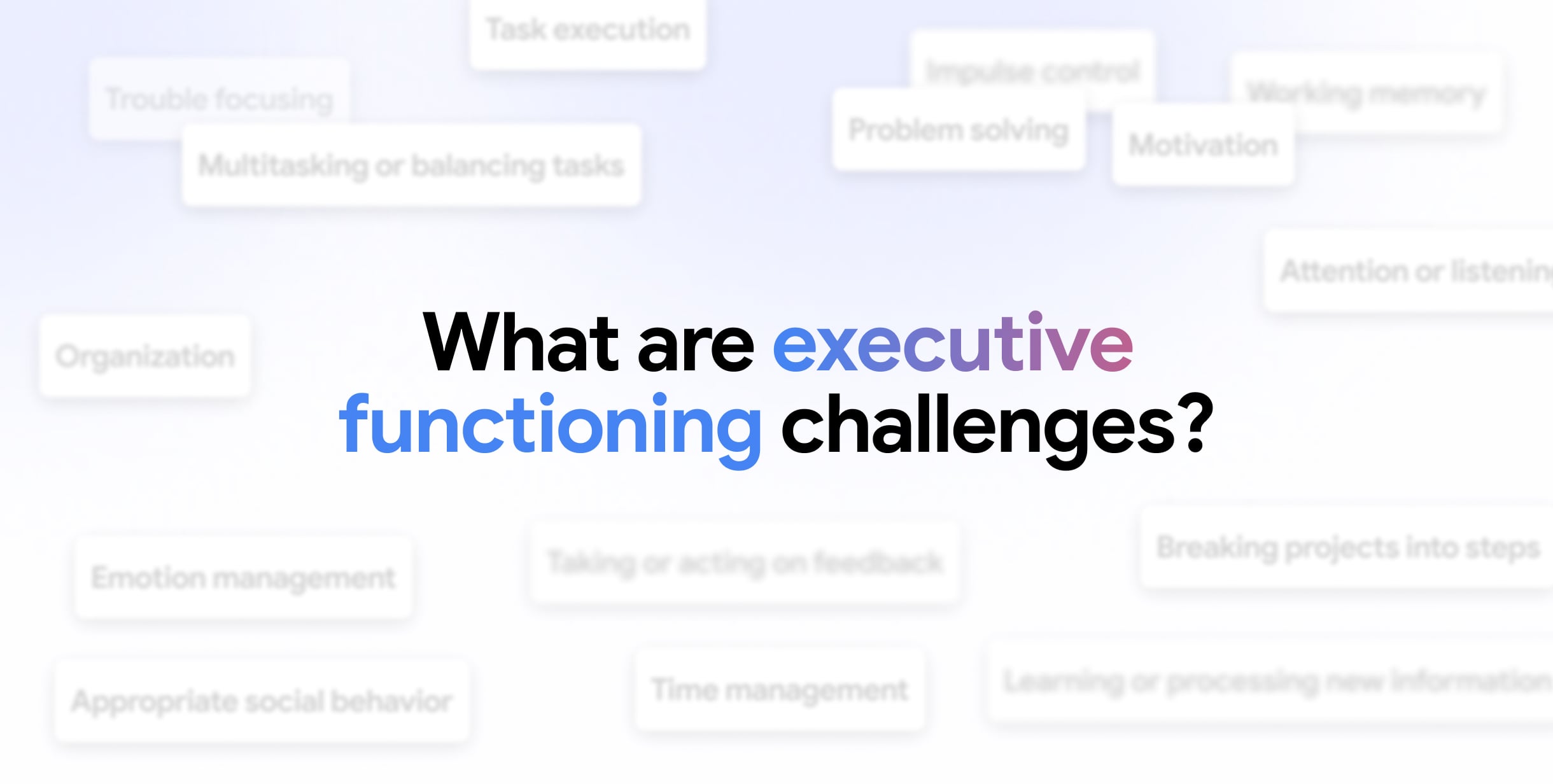
Executive function (EF) is essentially the air traffic control of the brain, enabling us to focus, manage time, make decisions, sequence steps, and plan ahead. Neurodiverse brains typically struggle with executive function, but neurotypical workers experience EF challenges as well.
We needed to know whether AI tools helped ND users overcome executive function problems and supported their productivity goals.
“
Features that support executive function don't just help neurodivergent users. They empower any worker struggling with focus or information overload.
Kristen Althizer, UX Researcher at Blink UX
Our findings
Identifying what’s working in Gemini for ND users
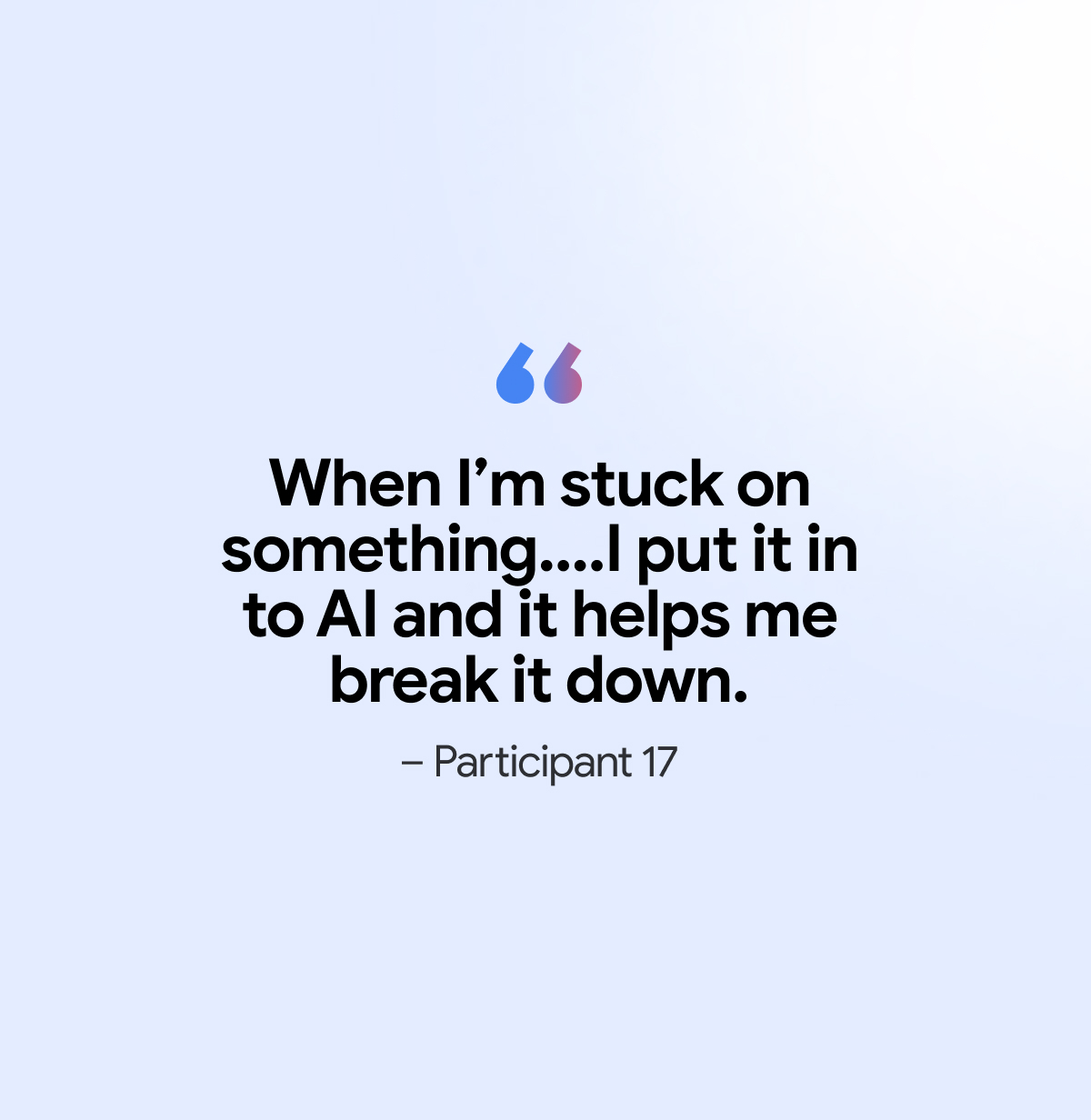
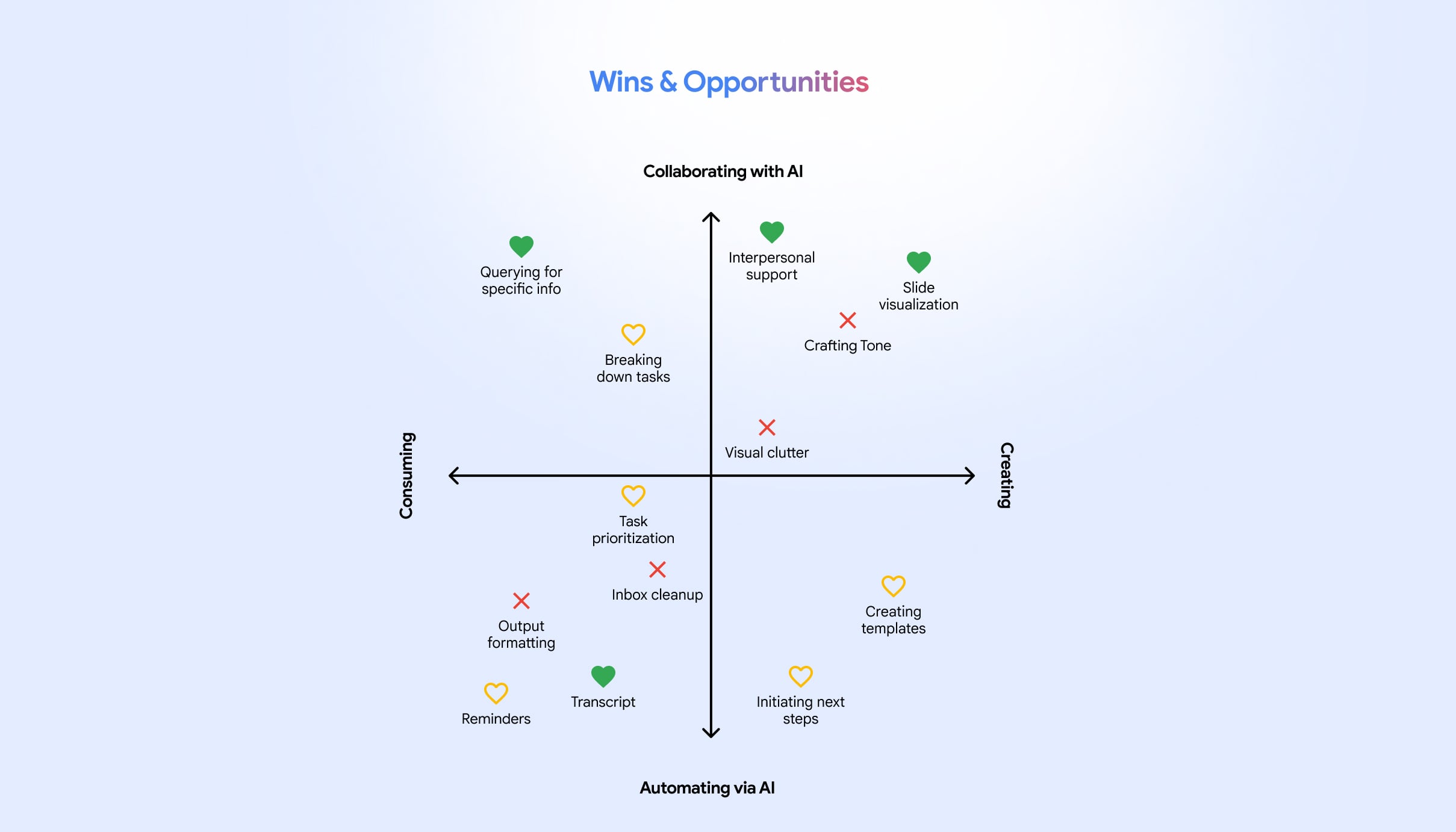
Users reported that they turn to Gemini in Workspace to boost productivity when consuming information or creating content. They are actively collaborating with AI, and value automating with AI for “mundane” tasks.
ND users called out several advantages they found with specific Gemini tools: note-taking, transcription, summarizing, and task planning.
What needs work?
Opportunities for Gemini: Bridging gaps and surfacing unmet needs
Our research showed some features could use further development: customizing tone of voice in writing, enabling multi-modal opportunities for non-text based comprehension, and pre-empting and initiating tasks in more agentic functions.
Heuristic evaluation
Creating a scorecard for AI tools across the competitive landscape
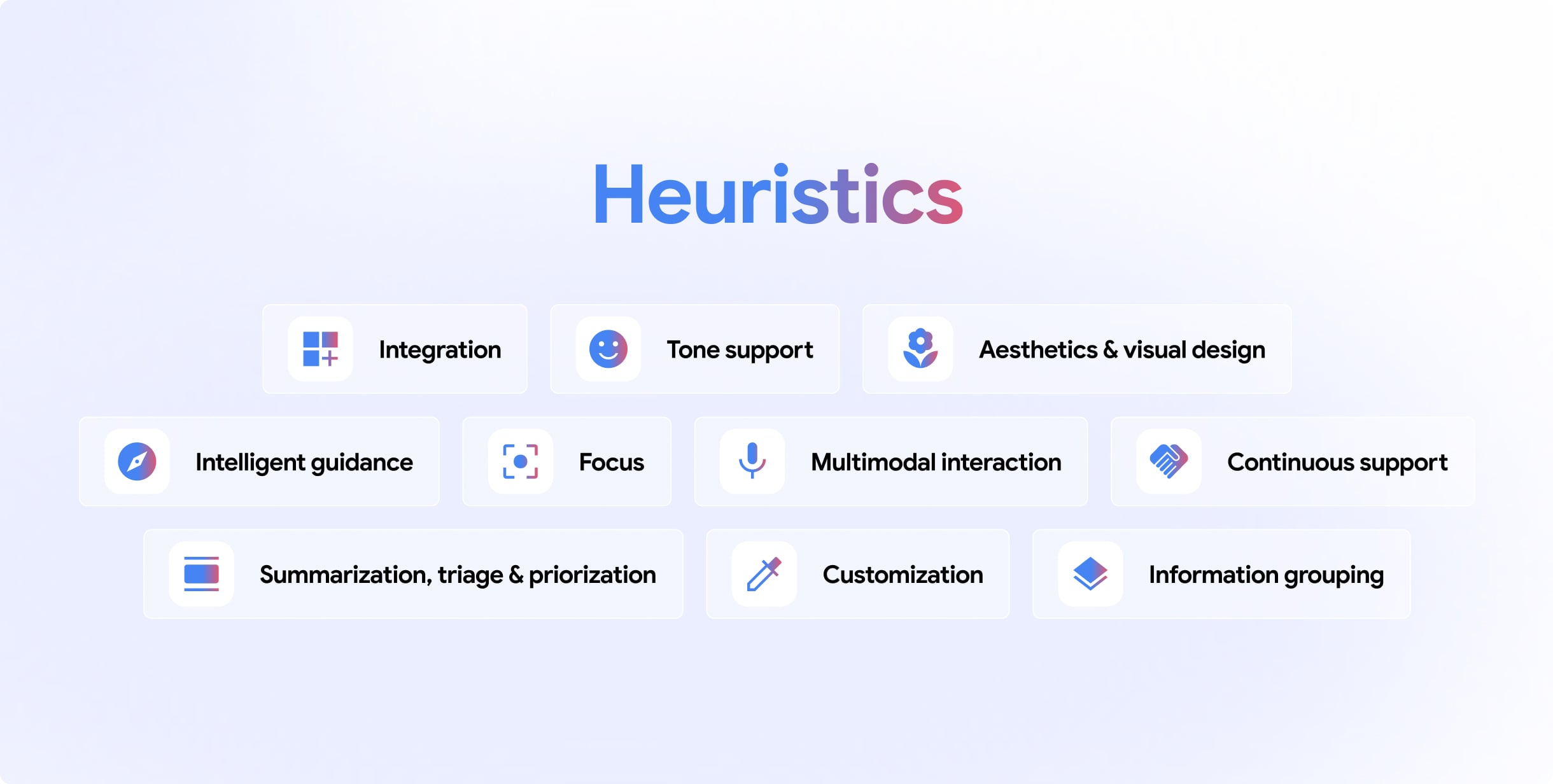
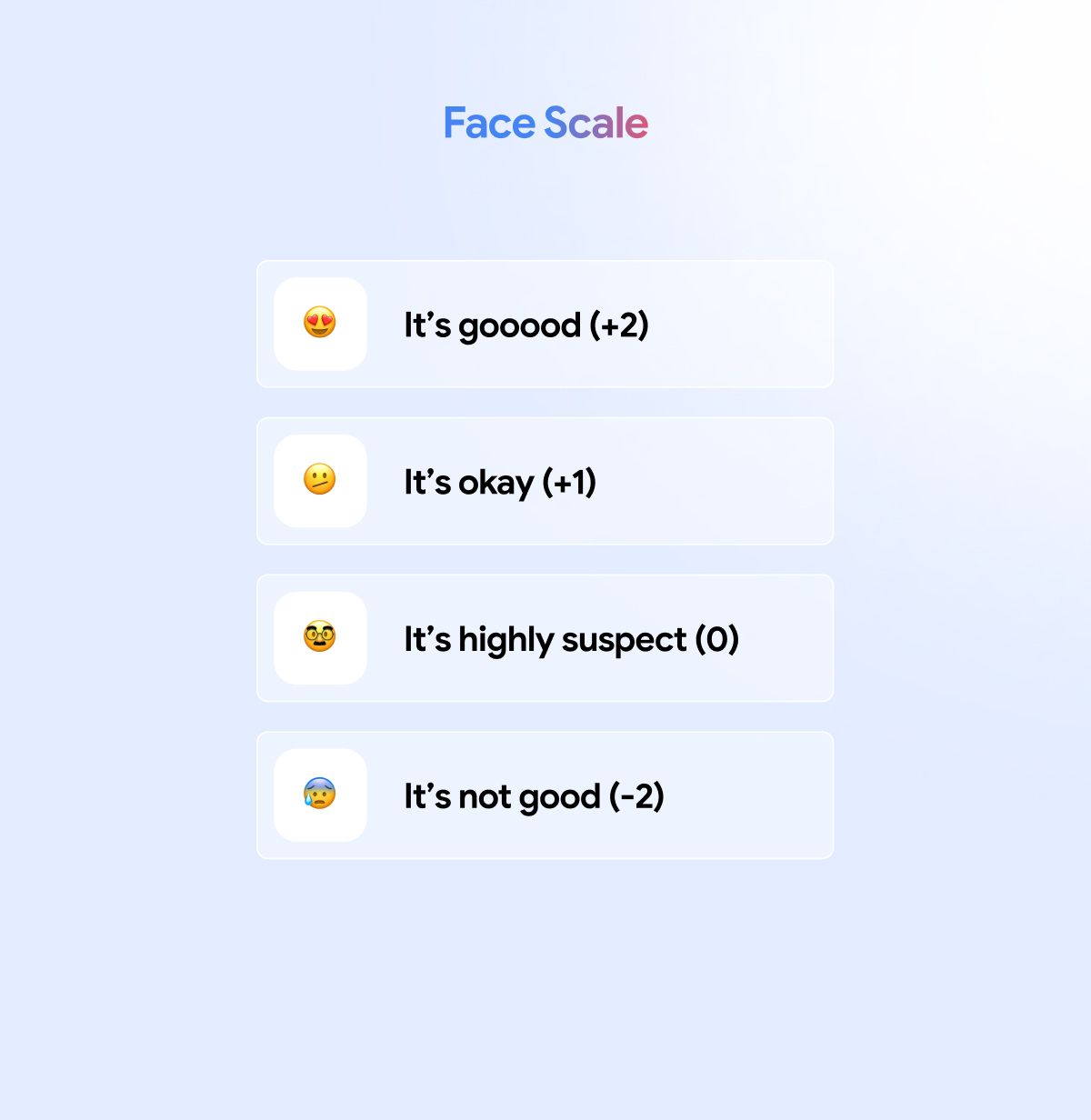
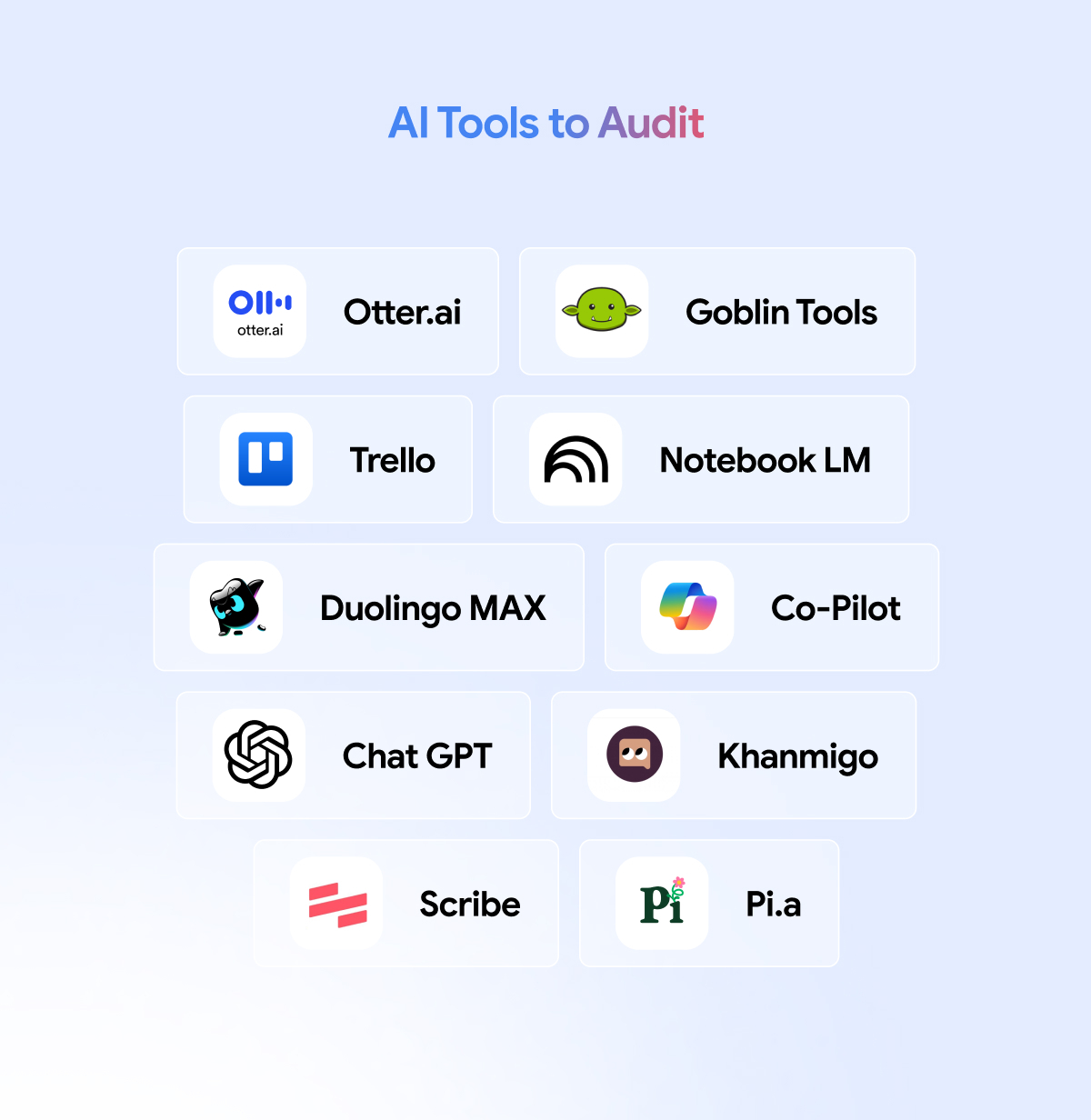
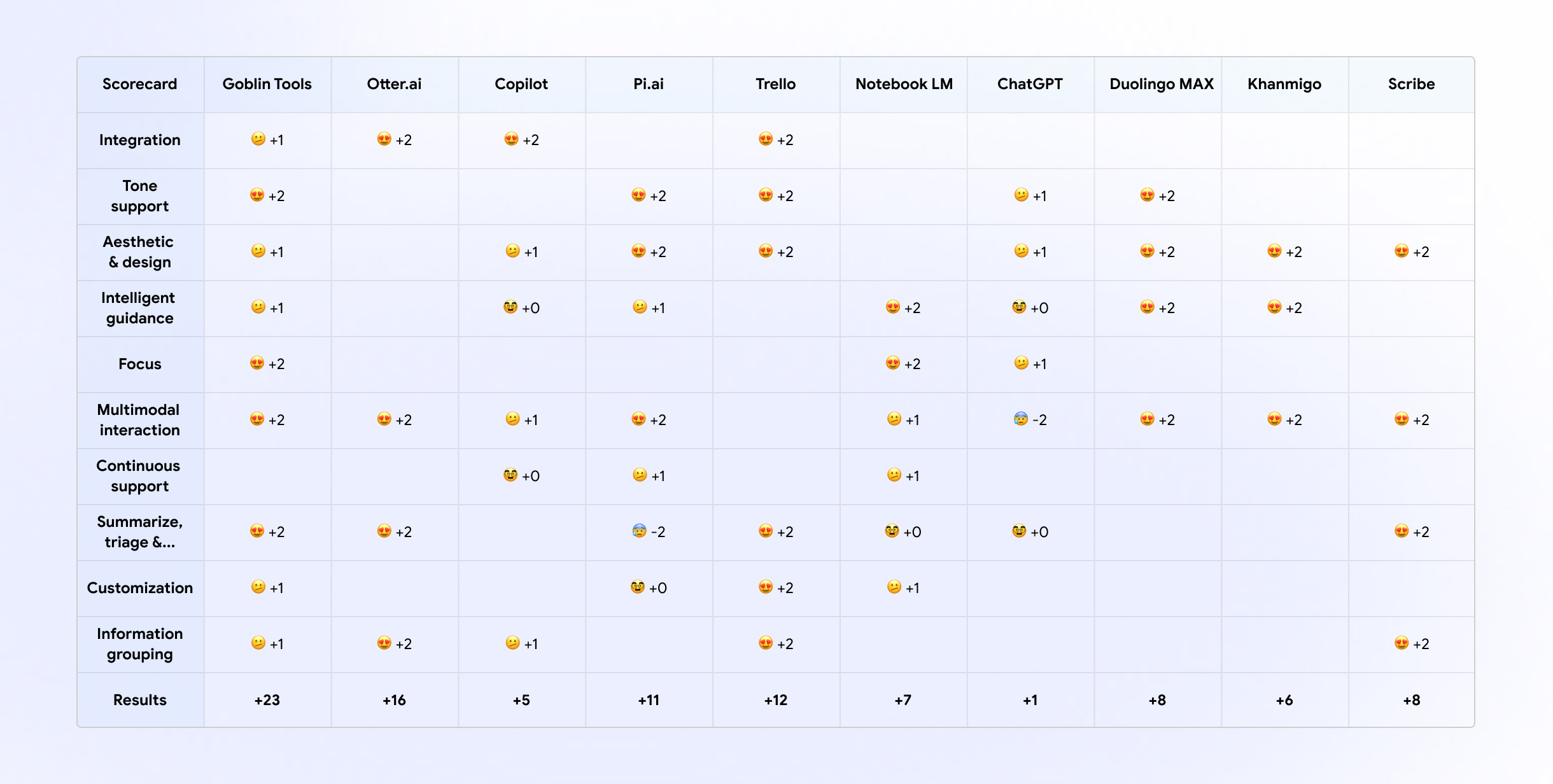
From our qualitative interviews, Blink developed ten heuristics for evaluating AI tools’ success in meeting the needs of neurodivergent users. We then used these heuristics to score ten different AI products (listed below).
One of our key findings: Tools with a clear purpose functioned far better for ND users than the ones that tried to do it all.
Results
From timesaver to thought partner: AI is changing the way we work
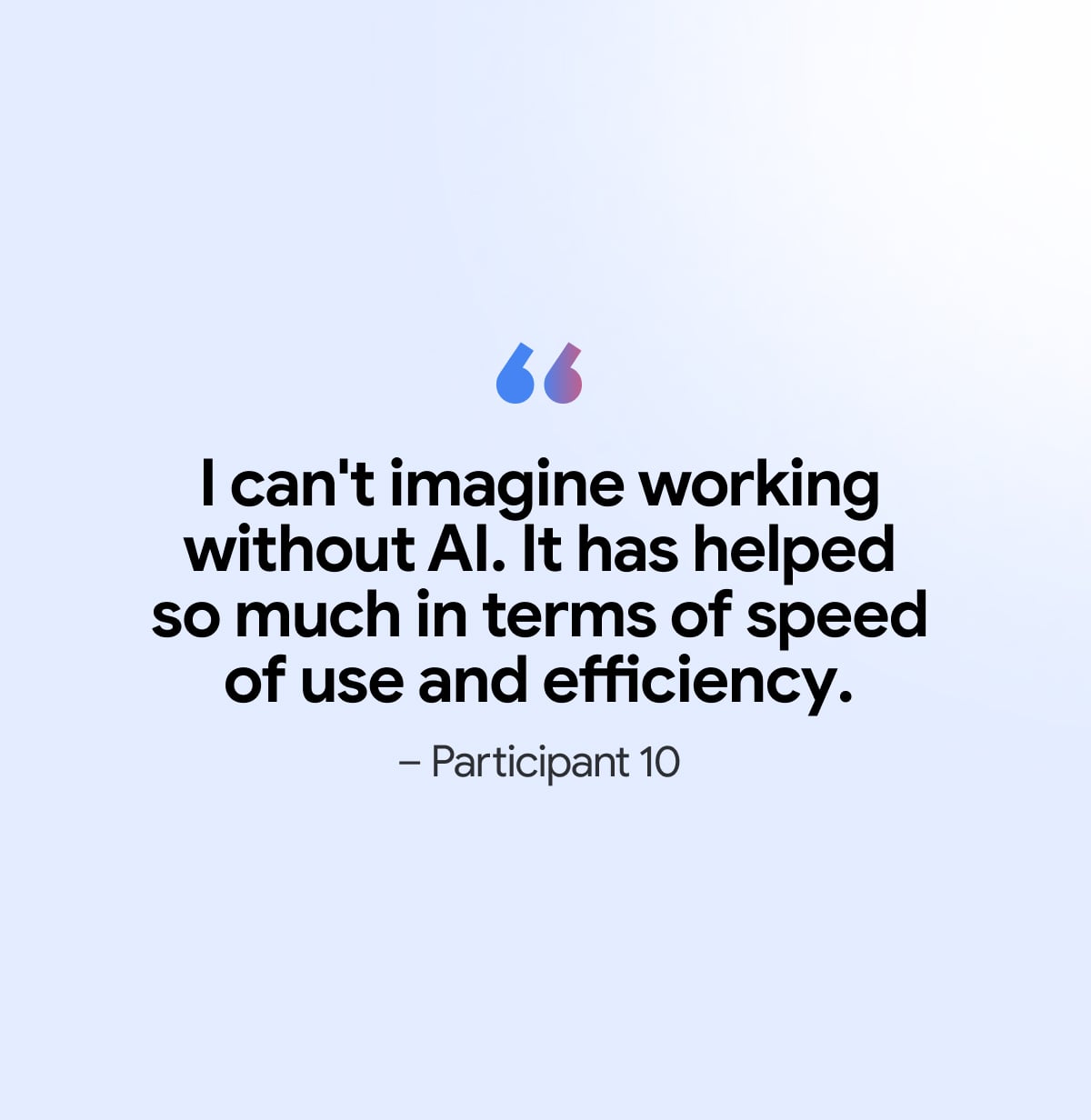
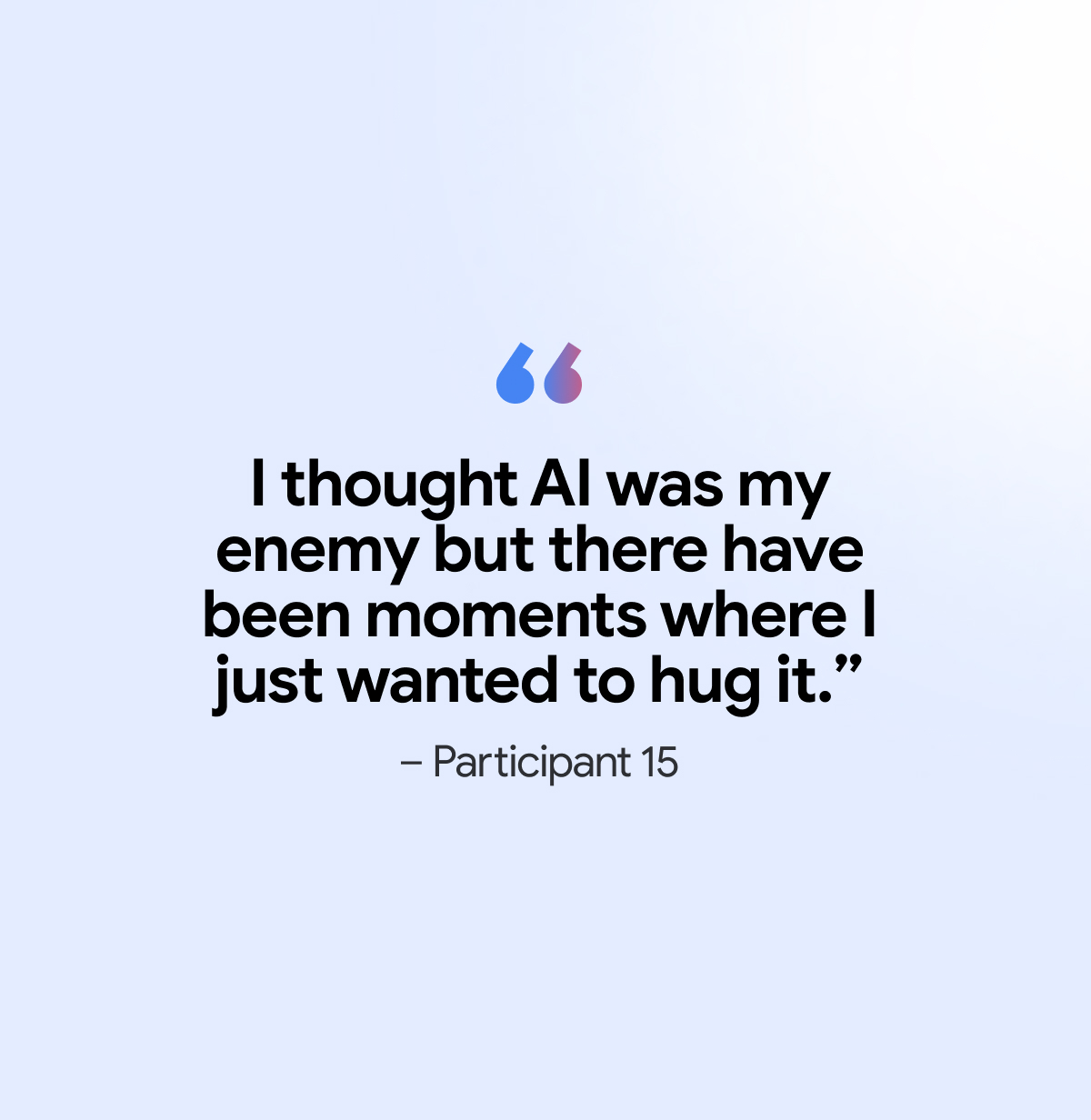
While most participants reported meaningful time savings, our most significant finding was GenAI’s impact on how people worked. From quality control checks and task prioritization to gut-checking tone and surfacing key action items, workers are using the tools in ways that impact not only the pace but the caliber of their output.
This research will illuminate Google’s product decisions and inform future research—in fact, Gemini in Workspace has already released new audio input and output features in response to our findings.
“
Thanks to you for engaging with rigor, curiosity, and sincerity....You've all given us confidence that we made the right choice!
June Choi, Program Manager, Google Workspace at Google
Ready to design the intelligent future? Let's talk!